After finishing my MBA at USC, I moved away from Los Angeles.
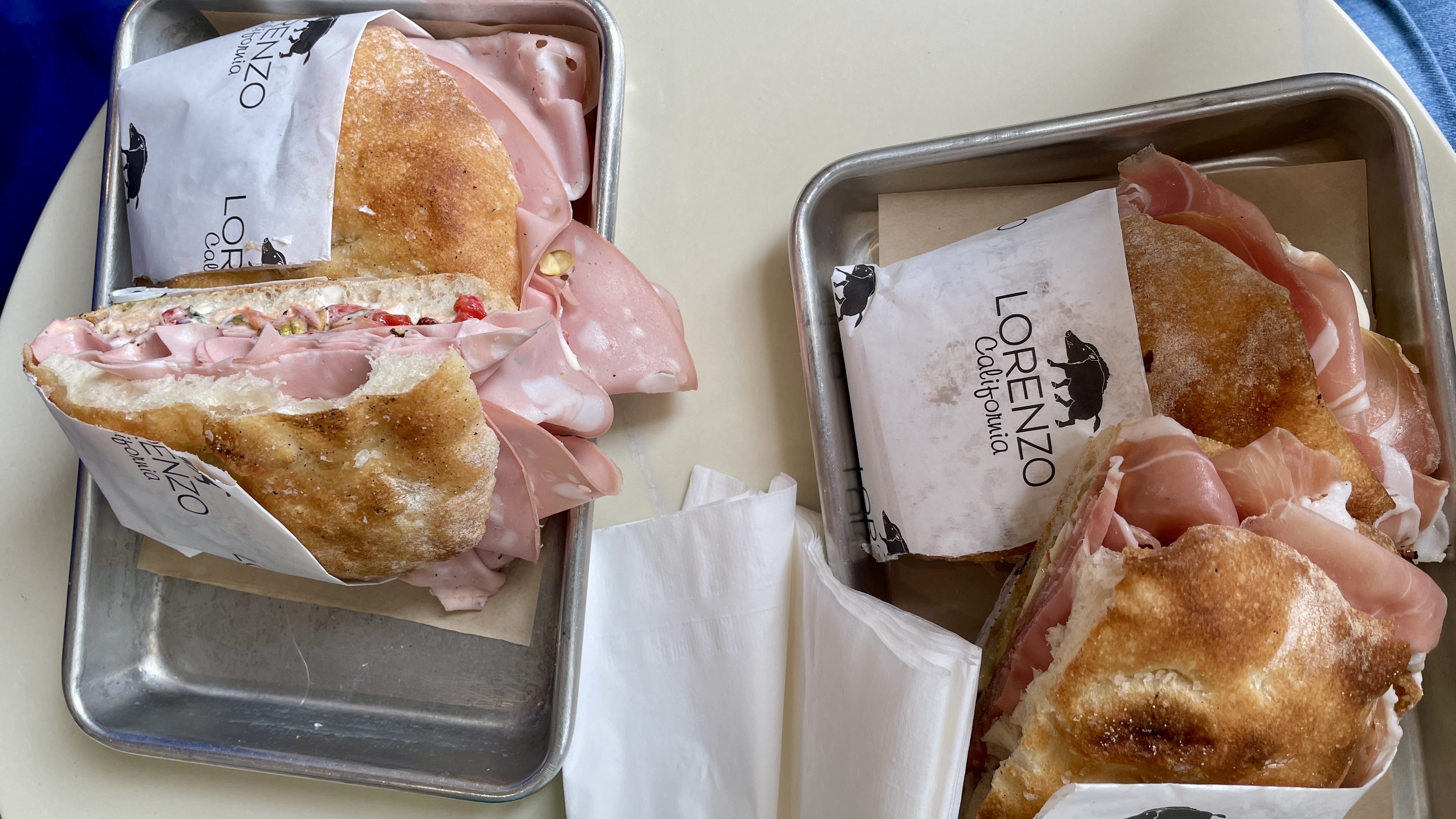
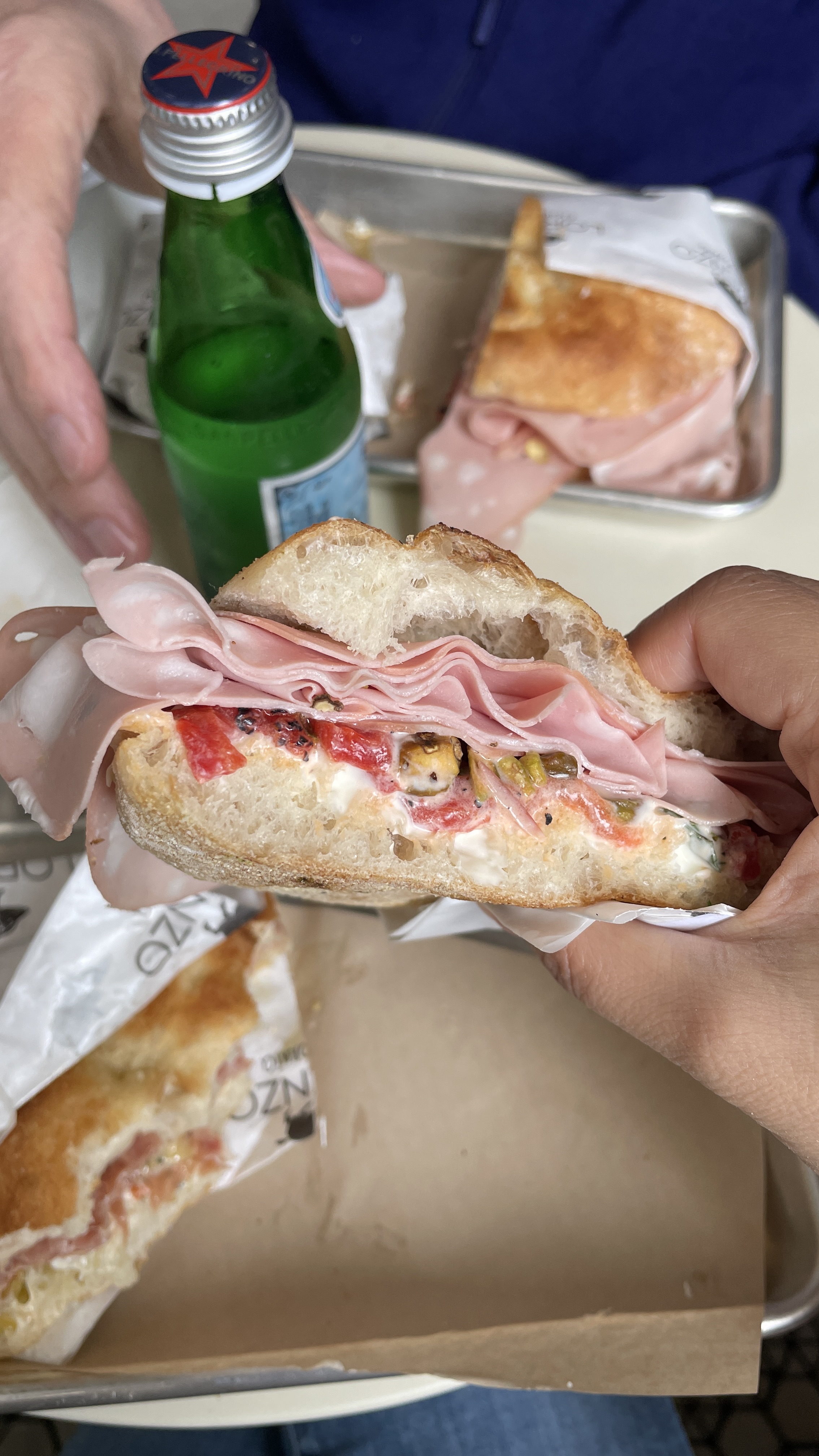
A few weeks into the new city, I found myself craving something very specific, a sandwich from a place in Beverly Hills called Lorenzo California. Not a vague food craving. An exact one. Focaccia bread, folded Mortadella, toasted pistachios that added a crunch and a faint bitterness, ricotta underneath. The best sandwich I'd had in LA.
I opened Google Maps and searched "Italian sandwich." Nothing useful. I tried "Mortadella," then "focaccia sandwich," hoping the search might index a menu or a buried review. Still nothing. I was heading to New York the following week, surely a city that size would have something. However only one result: a chain I'd already tried in LA. Not even close.
That left two possibilities. Either Lorenzo California is the best Italian sandwich shop in America, or there are places just as good sitting quietly on some corner somewhere, undiscovered, unindexed, with no way for someone across the country to find them by describing what they actually want.
I started building Nearby.
This frustration isn't unique to me. Anyone who has moved to a new city and tried to recreate a feeling, not a cuisine, a feeling, has run into this wall. Rating systems, distance filters, cuisine tags: these answer "what is nearby" but not "what will feel like that place I remember."
What actually makes someone want to go somewhere is rarely a star average. It's the text a friend sends: "the light in here at 3pm is golden, you'll love it." It's the travel note that reads: "the moment you walk in, the air changes."
I wanted to build something that could say that.
I wrote a PRD with ChatGPT, then went to Google AI Studio to prototype.
The technical parts worked fine. The AI could return place recommendations, filter by location, structure the output. But I kept reading the results and feeling like something was off. The words were accurate. They just weren't the kind that make you stand up and go somewhere. They read like a report. I wanted them to read like a letter from someone who actually knew the city.
Every version I tried landed in one of three failure modes:
"There are several highly rated Italian restaurants nearby…" This is a database, not a recommendation.
"Based on your preferences, I suggest the following locations…" This is an assistant, not a friend.
"The area features a variety of café styles suitable for…" This is a travel guide, not an experience.
I knew exactly where the problem was. I couldn't figure out how to fix it.
Then I thought about Airbnb Experiences.
When you travel somewhere new, an Airbnb Experience pairs you with a local, someone who genuinely loves the city and has real taste. They don't hand you a list of attractions. They take you to the corner bakery worth lining up for at 7am, explain what the light does in a certain alley at 3pm. They're observers of the city, not encyclopedias of it.
That was the frame I'd been missing. I wasn't looking for a better recommendation algorithm. I was looking for a voice, the voice of someone who notices things, who cares about the details, who wants to share what's beautiful about a place.
I used Google DeepSearch to research Airbnb Experience's product language and design philosophy, then fed that research to Gemini to rebuild the prompt framework from scratch.
The output was completely different.
Here's what Nearby returns for "a place that takes coffee seriously" in San Francisco:
Where meticulous preparation meets minimalist elegance, transforming carefully sourced beans into liquid artistry.
A taste of the coast, known for innovative signature drinks and a cozy, spirited atmosphere.
A pioneer in the city's third-wave scene, offering expertly roasted single-origin and blends with unwavering dedication.
I shared the prototype with a few friends. Their reaction wasn't "oh, useful," it was "I want to go right now." That's the test that matters.
I deployed it properly with Claude Code.
Voice is the product. Most AI tools default to assistant mode: efficient, neutral, complete. Nearby needed something different, restrained enthusiasm, the cadence of someone who genuinely notices things. Changing the tone wasn't a style decision. It changed what the product fundamentally did. Before the rewrite, the reaction was "this is helpful." After, it was "I want to go." That's not a marginal improvement. That's the whole product.
Specific problems produce real products. Nearby didn't start with "I want to build an AI discovery app." It started with one sandwich, one move, one failed search. The more specific the original frustration, the more precisely you can design the solution, and the more other people recognize themselves in it.
As a non-engineer, the leverage is taste. I didn't write a line of backend code. The build used ChatGPT, Gemini, Google DeepSearch, and Claude Code. What I brought was judgment: knowing when the output felt wrong, when it was almost right, when it finally landed. That turns out to be the hardest part, and the part no tool replaces.
AI has made the distance between a feeling and a product much shorter. What it hasn't changed is how long it takes to know what you're looking for.
Nearby is live at nearby.travelwitheveai.com. If you've ever moved somewhere new and tried to find the version of something you left behind, try it.